strong changes everything
July 14 | Written by Carey Kytle
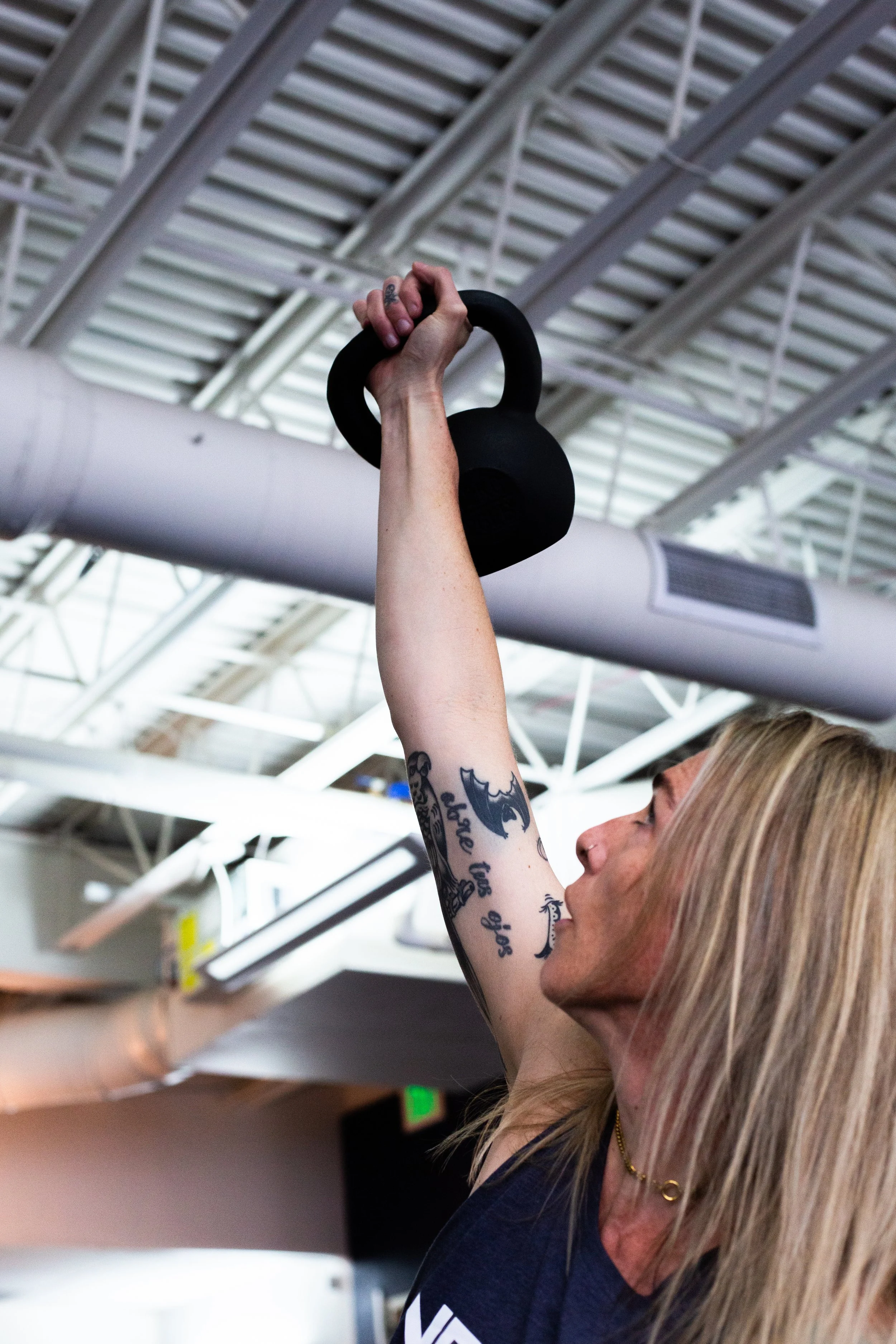
What the heck is body recomposition and why do I care about it?
I want to talk about something I see all the time on the gym floor, and it has nothing to do with willpower or motivation. It's about where you're aiming your effort. Most people are chasing the number on the scale, but what actually changes how your body looks, feels, and moves is muscle. If you've been working out, eating pretty well, and still not seeing the results you expected, this might help things click.
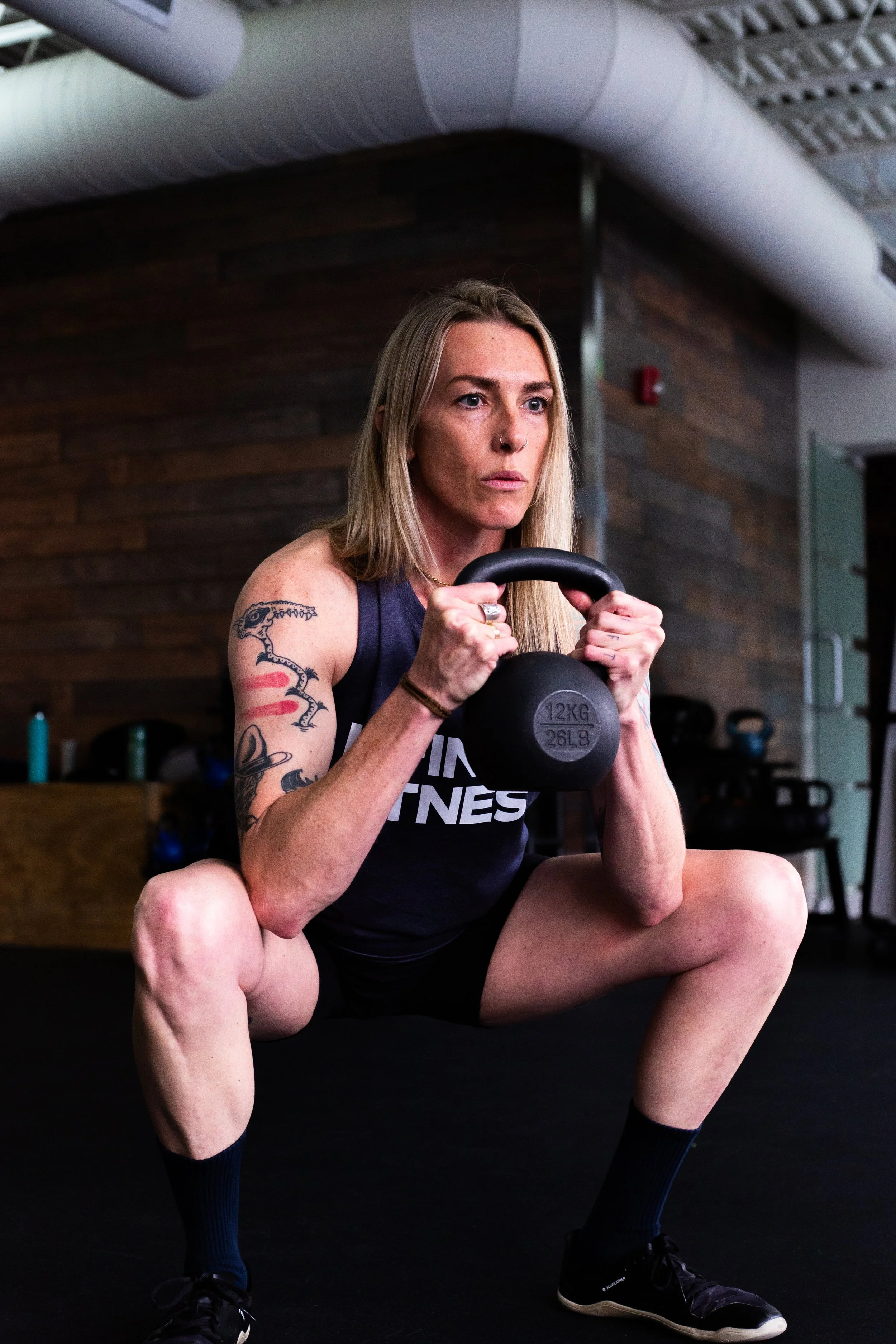
Body Recomposition: you're building muscle and losing fat at the same time, so instead of trying to make your body smaller, you're making it stronger and more capable. In real life that usually means your clothes start fitting differently, you feel more solid in your movements, your energy improves, and you start surprising yourself in workouts. Sometimes the scale barely moves during this, and that can be a good sign.
Here's why I don't love the scale as a progress tool. It only tells you one thing, how much you weigh. It doesn't tell you how much stronger you've gotten, how your posture has improved, or how much muscle you've built. When you're losing fat and building muscle at the same time, those two things can cancel each other out on the scale, so the number stays flat while your body is actually changing a lot underneath it. Better signs to watch are whether you're lifting heavier than you were a few weeks ago, whether movements feel more controlled, and whether you're recovering faster.
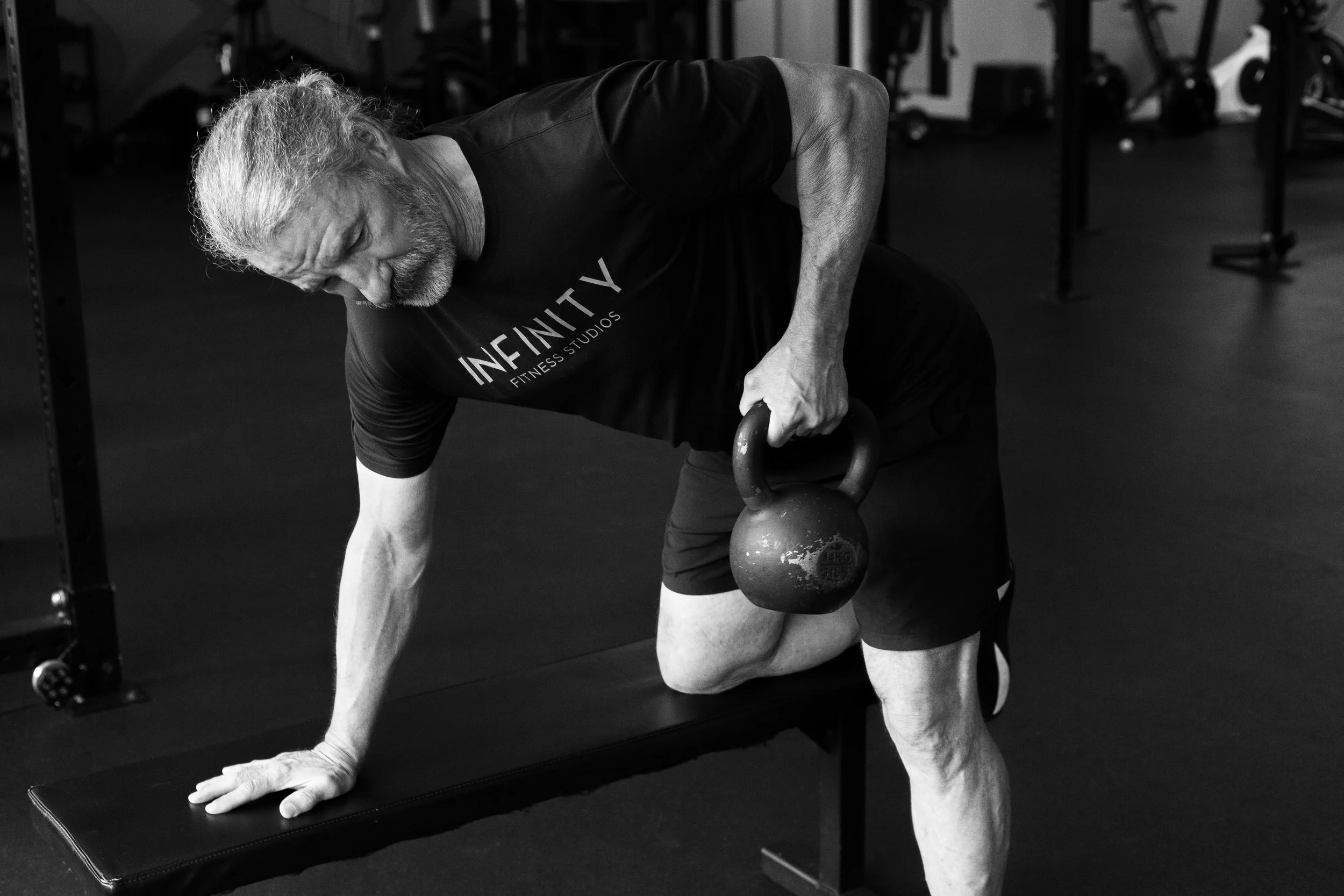
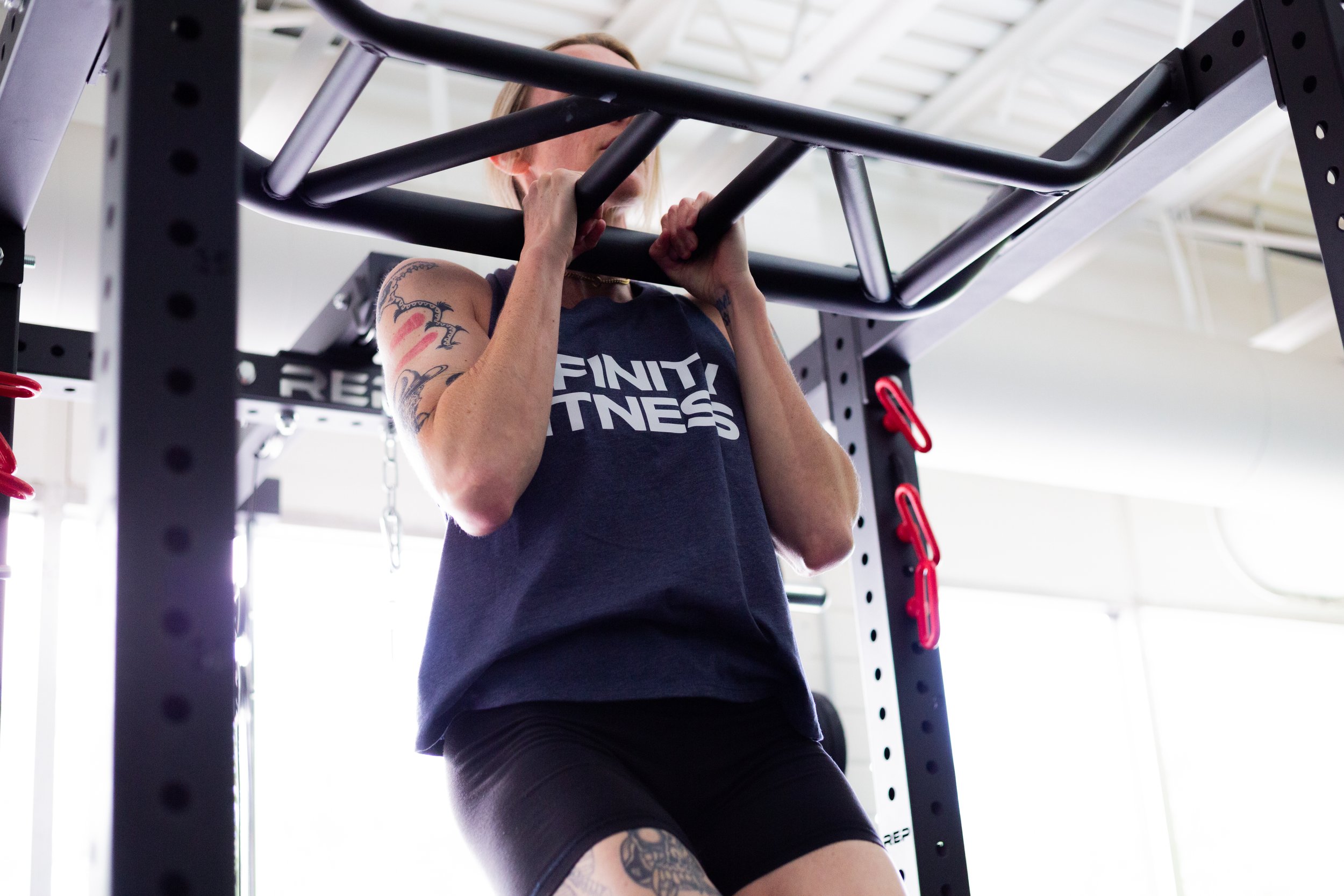
So what actually matters?
Eating to support your training is a big one, and that starts with protein since it's what your body uses to build and repair muscle. A simple target is about 0.8 grams per pound of bodyweight per day. From there, training with intention matters just as much, which means tracking your weights, repeating movements enough to get better at them, and gradually making things a little harder over time. Three to four strength sessions a week is plenty for most people to build real strength.
One piece people skip over is sleep, and it might be the most underrated part of this whole process. Aim for 7 to 9 hours of uninterrupted sleep whenever you can. This is when your body actually does the repair work from your training, so if you're cutting sleep short, you're cutting your results short too. Sleep also plays a huge role in managing stress, and stress levels affect everything from recovery to how your body holds onto fat. It doesn't have to be complicated. Little things like putting your phone down earlier, getting some fresh air during the day, or taking five minutes to just breathe can go a long way in keeping your stress in check and helping your body actually absorb all the work you're putting in. And of course, give the whole process time. Fat loss can happen fast, but muscle takes longer to build, so think in months, not weeks. Ask yourself what your body would look like if you stayed consistent with this for six to twelve months. That's usually where the big changes actually show up.
If you take one thing from all of these words, let it be this. You don't need to punish your body into changing. You can train it, feed it, and support it into becoming stronger, and that kind of progress tends to last a lot longer and feel a lot better the whole way through.
Carey Kytle | Functional Training Lead
Carey Kytle is a massage therapist turned personal trainer. She practiced bodywork in environments like Canyon Ranch and later taught kinesiology at TMCC, which showed her that people don’t just need relief— they need skills, structure, and confidence in their own bodies.
Her work is built on self-discipline through realistic habits, education so clients understand what they’re doing and why, and transparent communication so the process is always honest and collaborative. She helps people move without fear, build real strength, and create health routines that feel sustainable instead of extreme.